


Recipe under revision — dried red kidney beans. The former direct-to-slow-cooker instructions are unsafe for these beans and have been withdrawn. Do not use the old method. The remaining slow-cooker duration, broth quantity and resulting texture have not been validated after the required bean preparation. Complete cooking directions are temporarily withheld pending recipe validation.
Jump to RecipeThis Southern-style red beans and rice recipe is under revision. Read the kidney-bean safety preparation below. Complete cooking directions will return only after the revised method has been validated.
Introduction to Slow Cooker Red Beans and Rice
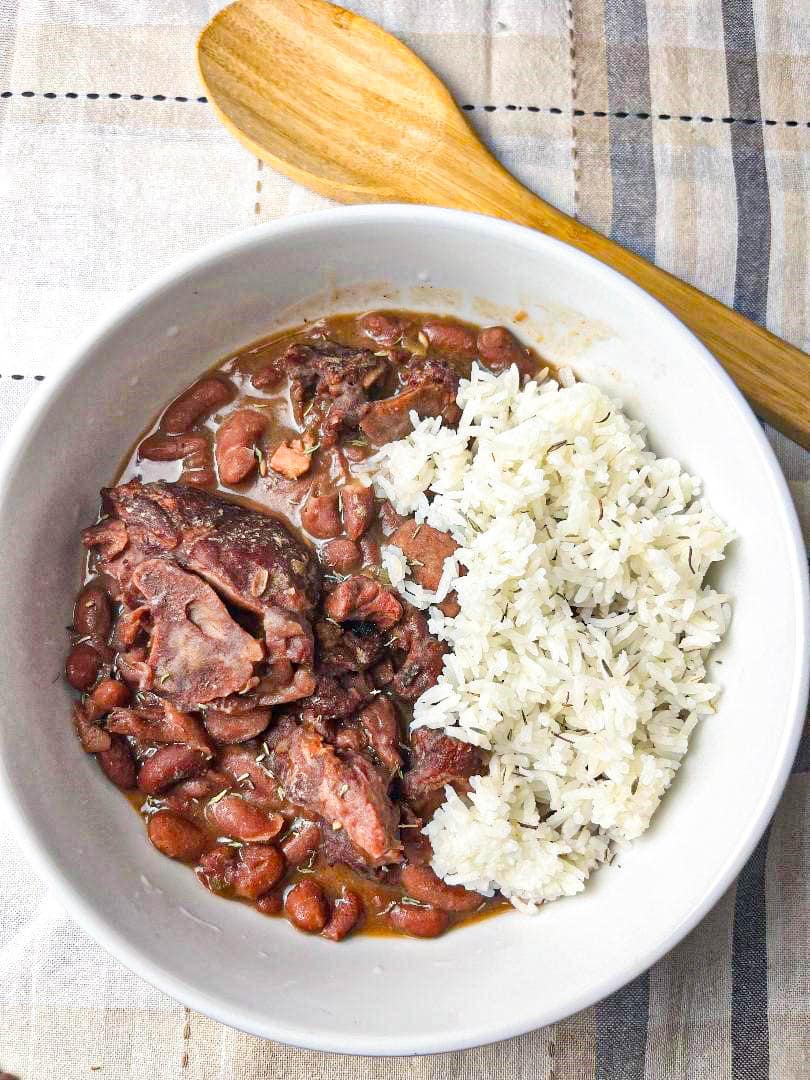
Alright, let’s dive into what makes slow cooker red beans and rice such a fantastic dish. It’s not just another meal; it’s a comforting staple in many homes, packed with rich flavors and hearty ingredients that simmer together to create something truly special. Plus, it’s super easy to make with the help of a slow cooker, making it perfect for any day of the week!
The Ultimate Guide to Ingredients
To kick things off, you’ll need some key ingredients:
- Dried red kidney beans
- White or brown rice
- Onion
- Garlic
- Bell pepper
- Andouille sausage or a vegan sausage for my plant-based pals
- Spices like cayenne pepper, thyme, and a bay leaf
- Chicken broth or vegetable broth
Detailed Nutrition Breakdown
Not only is this dish delicious, but it’s also packed with nutrition. Red beans offer a fantastic source of protein and fiber, making them excellent for your digestive health. Plus, all the veggies contribute vitamins and antioxidants, so it’s a meal you can feel good about enjoying!
Required Kidney-Bean Safety Preparation — Not a Complete Recipe
These steps describe the required kidney-bean safety preparation, not a complete method for this dish. FDA warns that slow cookers do not reach sufficient temperatures to destroy kidney-bean toxin. This notice does not endorse a slow-cooker finishing method. No remaining cooking duration, broth quantity or finished texture is established here; do not use the old slow-cooker instructions.
- Soak the dried red kidney beans in water for at least 5 hours.
- Drain the beans and discard all soaking water.
- Put the drained beans in fresh water and bring them to a vigorous boil. Boil vigorously for at least 30 minutes before any slow-cooker use. Do not put raw or merely soaked kidney beans directly into a slow cooker.
Source: FDA kidney-bean toxin preparation guidance. The soaking and boiling minimums are safety guidance, not newly tested recipe timings.

Slow Cooker Red Beans and Rice — Recipe Under Revision
Equipment
- slow cooker
- Skillet
- Cutting Board
- Knife
- rice cooker
Ingredients
- 1 pound dried red kidney beans Safety preparation required: soak at least 5 hours, drain/discard soaking water, then vigorously boil in fresh water for at least 30 minutes before any slow-cooker use.
- 1 large onion chopped
- 3-4 cloves garlic minced
- 1 bell pepper chopped
- 1 pound Andouille sausage or vegan sausage, sliced
- 1 teaspoon cayenne pepper adjust to taste
- 1 teaspoon dried thyme
- 1 bay leaf
- chicken or vegetable broth Quantity withheld pending validation of the revised recipe. Do not use the former broth recommendation.
- Salt and pepper to taste
- 3 cups white or brown rice uncooked
Instructions
- Recipe under revision — dried red kidney beans. The former direct-to-slow-cooker instructions are unsafe for these beans and have been withdrawn. Do not use the old method. The remaining slow-cooker duration, broth quantity and resulting texture have not been validated after the required bean preparation. Complete cooking directions are temporarily withheld pending recipe validation.
- Soak the dried red kidney beans in water for at least 5 hours.
- Drain the beans and discard all soaking water.
- Put the drained beans in fresh water and bring them to a vigorous boil. Boil vigorously for at least 30 minutes before any slow-cooker use. Do not put raw or merely soaked kidney beans directly into a slow cooker.
- These steps describe the required kidney-bean safety preparation, not a complete method for this dish. FDA warns that slow cookers do not reach sufficient temperatures to destroy kidney-bean toxin. This notice does not endorse a slow-cooker finishing method. No remaining cooking duration, broth quantity or finished texture is established here; do not use the old slow-cooker instructions.
Notes
- For a vegetarian version, use vegan sausage and vegetable broth.
- The spiciness can be adjusted by varying the amount of cayenne pepper.
- Refrigerate leftovers promptly in shallow containers, within 2 hours of cooking (1 hour above 90°F). Keep the refrigerator at 40°F or below and use refrigerated leftovers within 3–4 days. Reheat to 165°F throughout. Freeze for up to 3 months for best quality.
- This dish is an excellent source of protein and fiber, supporting digestive health.
Incorporating Vegan and Gluten-Free Variations
If you’re avoiding meat, swap out the sausage for a vegan alternative, or skip it entirely and add more beans or veggies. For a gluten-free version, just ensure your sausage and broth are gluten-free. It’s easy to customize!
Adapting the Recipe for Various Appliances
The beans are confirmed as dried red kidney beans. The former slow-cooker directions and any pressure-cooker or stovetop alternatives are withheld until a complete reliable method is established. Do not substitute an appliance setting or an assumed cooking time.
The Secret to Perfectly Cooked Beans Every Time
For dried red kidney beans, soaking alone does not address the toxin hazard. Follow the soaking, draining and vigorous fresh-water boiling requirements above. The complete dish remains under revision.
Personalizing the Recipe: Optional Add-ins
Feel free to get creative! Add in some celery for a bit of crunch or toss in a pinch of paprika for extra smokiness. It’s all about making it your own.
Exploring the Health Benefits of Red Beans
Red beans are a powerhouse! They’re low in fat and high in antioxidants, which can help combat free radicals in your body. Plus, they’re a great source of iron and magnesium.
Conclusion: Why This Recipe Will Become Your Go-To
This page is being retained while the recipe is corrected. The revised slow-cooker duration, broth quantity and texture remain unvalidated. Please do not prepare the dish using the former directions.
The complete method will be restored only when supported by recipe validation.

